
Last updated August 25, 2026
Free on-site gate assessment - hinges, posts, and your LiftMaster or Nice gate operator checked before anything is quoted
The assessment is free and the quote is the invoice.
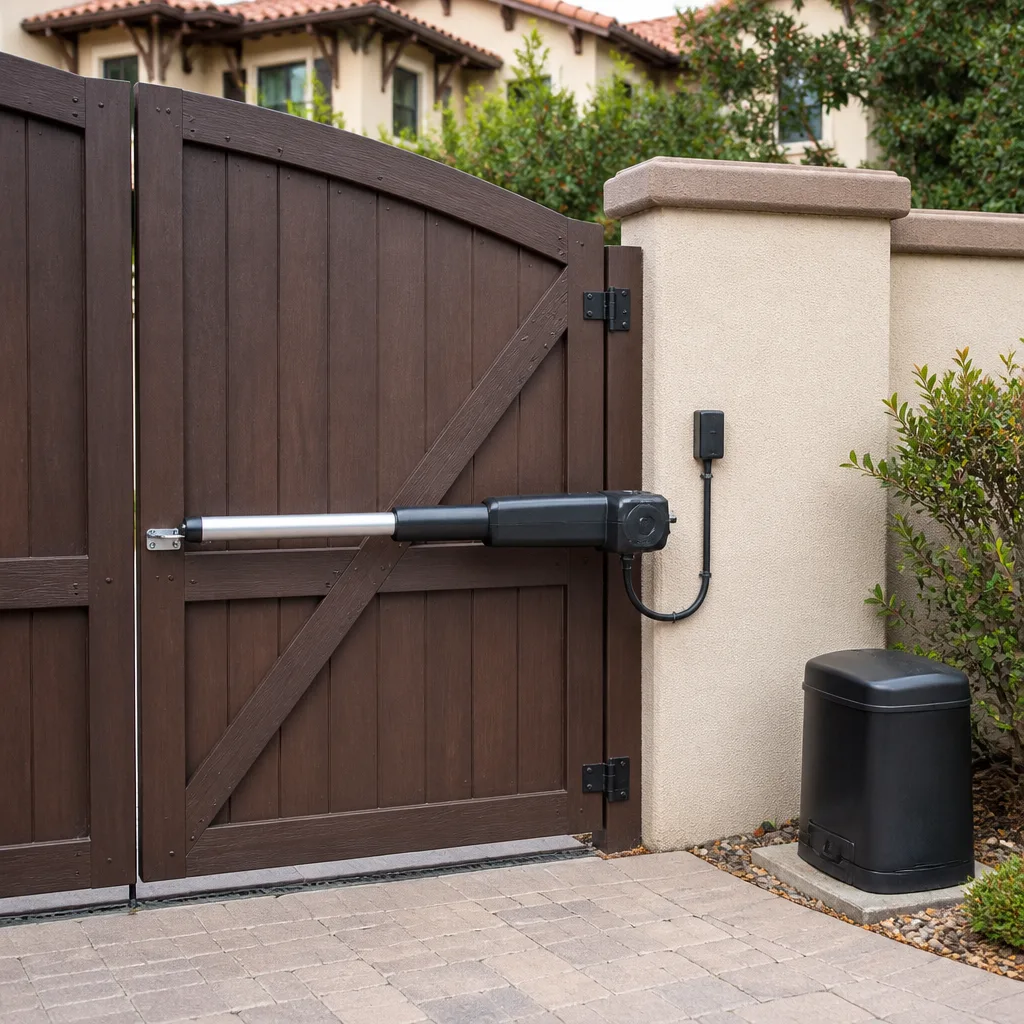
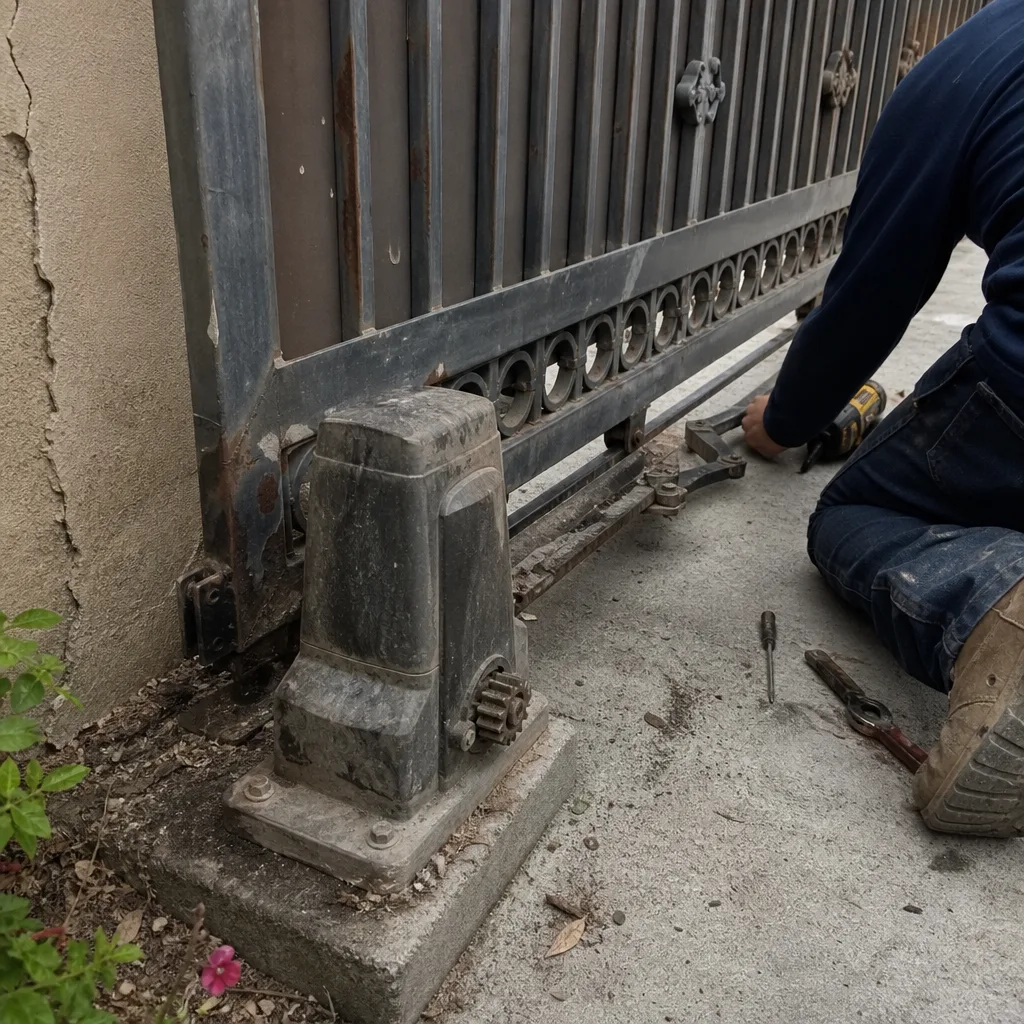 Before
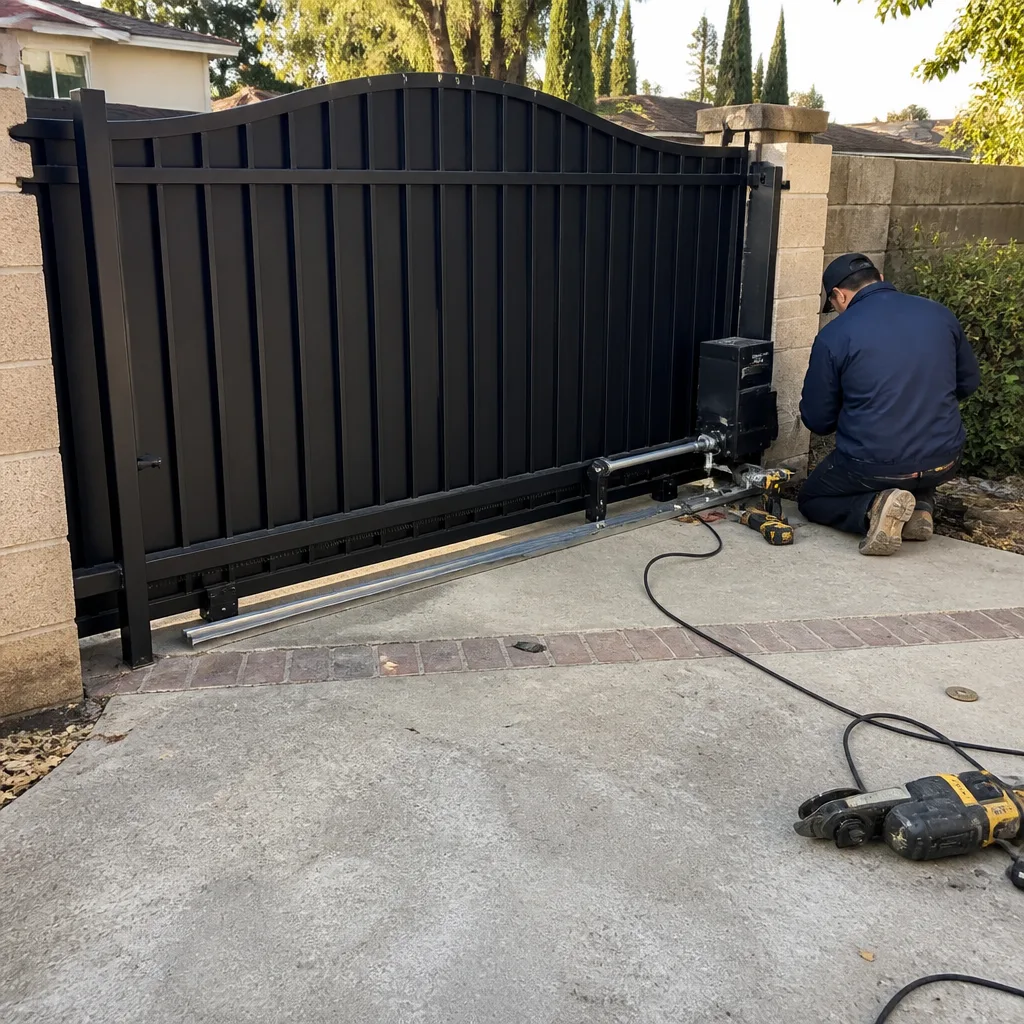 After
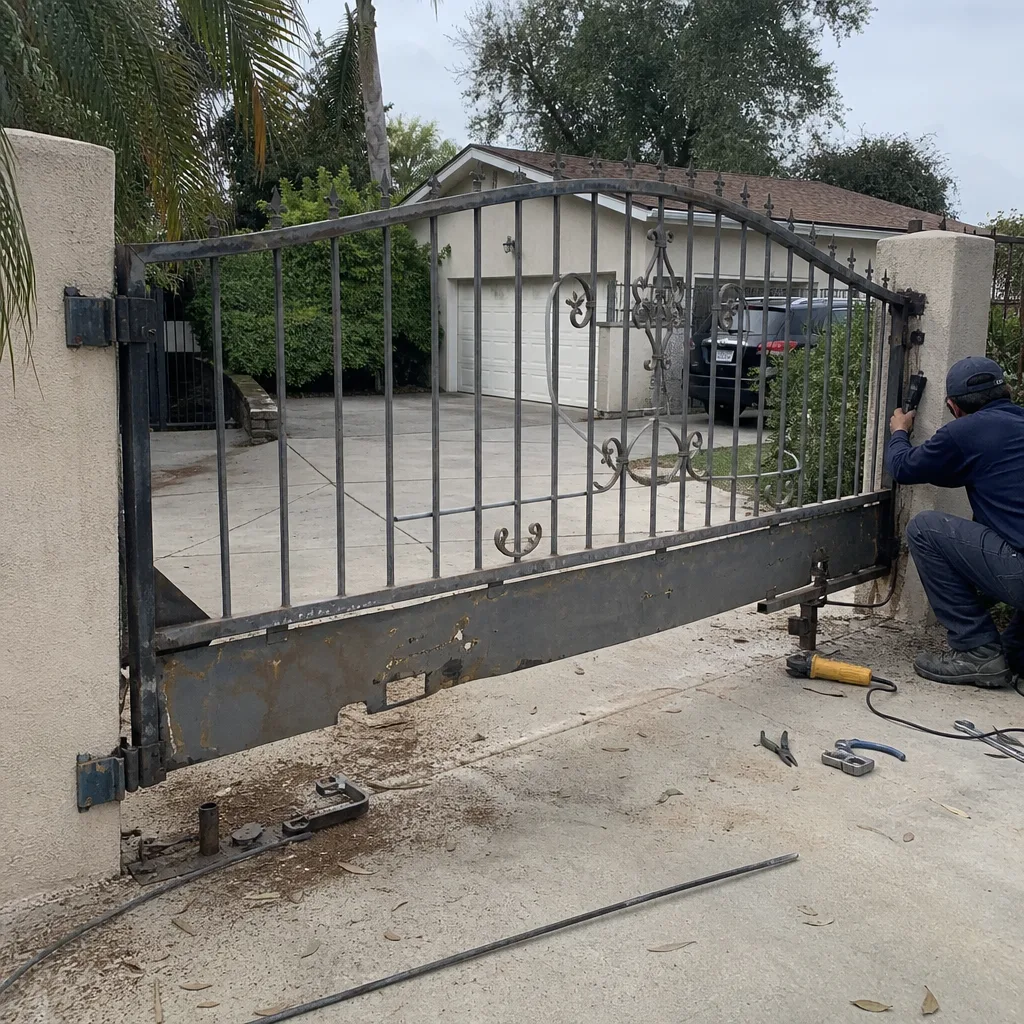 Before
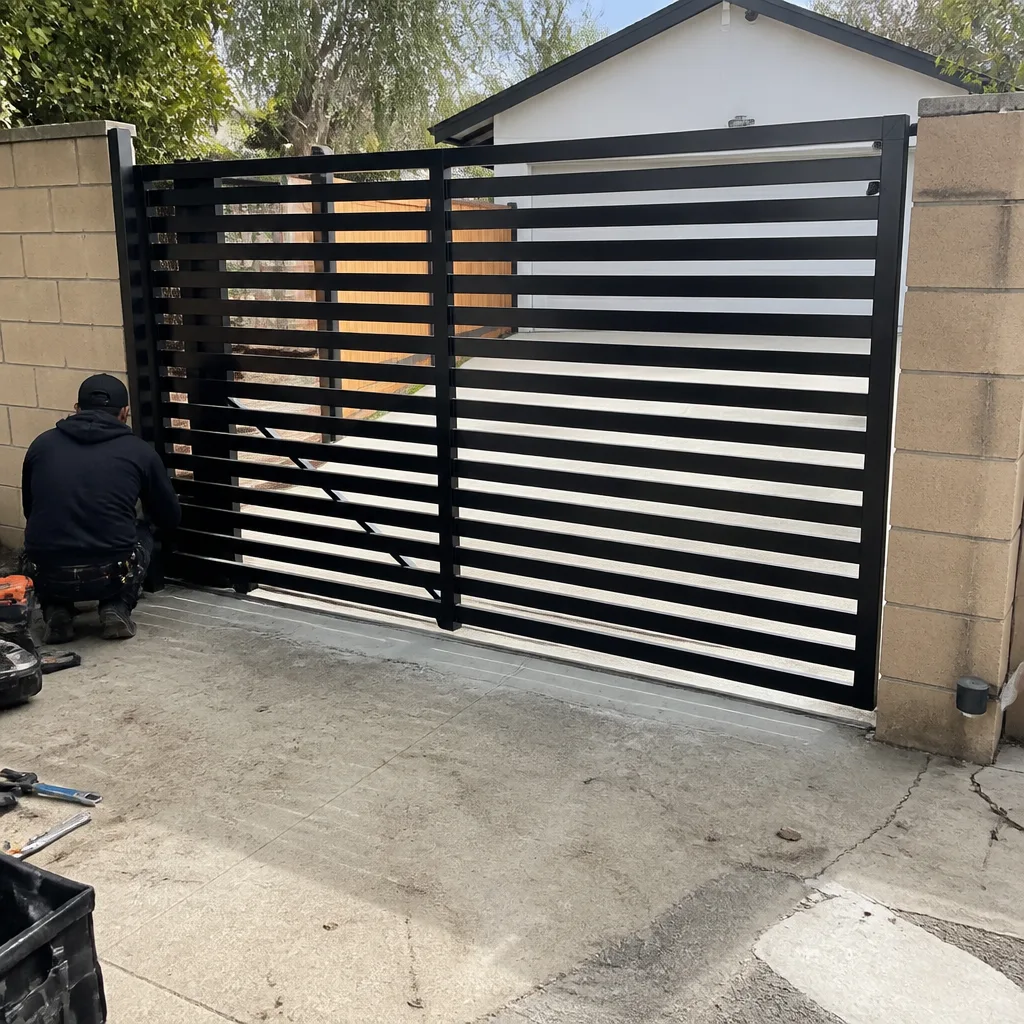 After
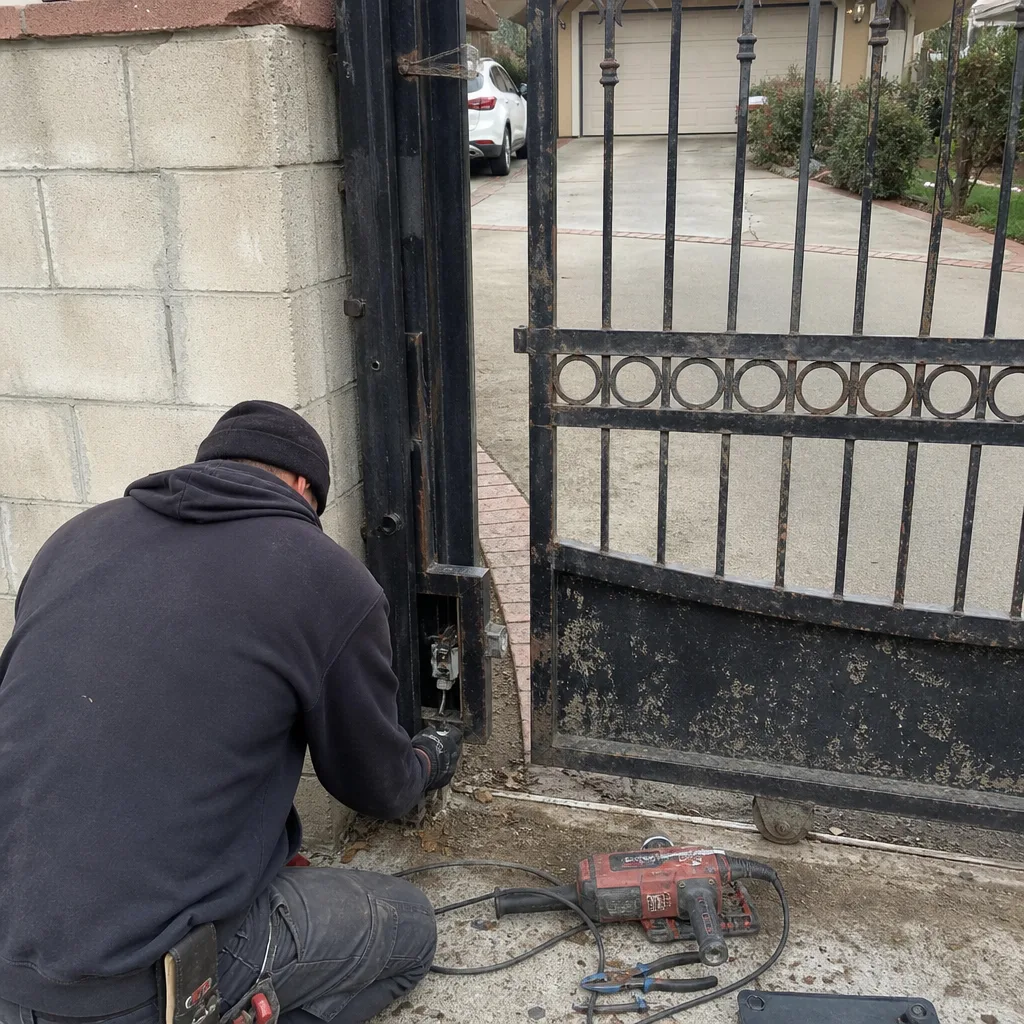 Before
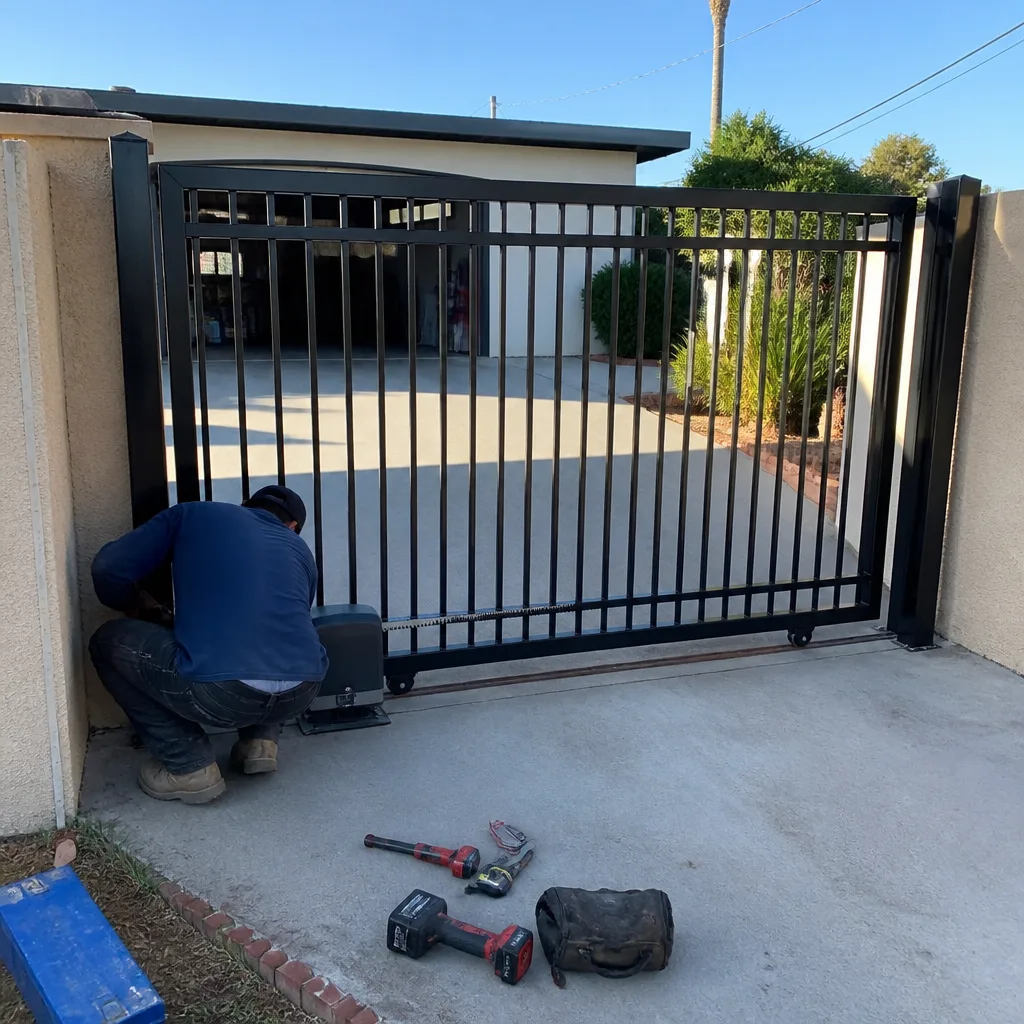 After
Seasonal Gate Repair Care for San Fernando: Year-Round Homeowner’s Guide
Most San Fernando homeowners don’t think about their driveway gate until the day it refuses to open. That’s a costly habit. A gate that fails without warning is almost always a gate that gave dozens of smaller warnings weeks earlier: a slower motor, a new creak in the hinge, a keypad that needed a second try. This guide is for the homeowner who wants to catch those warnings before they become a $900 emergency on a Tuesday morning. We’ll walk you through what your gate needs in every season here in San Fernando, what to watch for, and what’s worth fixing now versus calling in a professional.
Quick Answer
Seasonal gate care in San Fernando comes down to two annual tasks: a thorough inspection each spring for winter damage, and a preventative tune-up each fall before the rainy season. Most homeowners spend between $89 and $250 per year on preventative care, which is a fraction of the $450 to $1,200 a major gate repair typically costs once a failure has already happened. In our 42 years serving San Fernando, the gate systems that last decades are the ones that get tuned twice a year.
Table of Contents
- Why San Fernando’s Climate Is Harder on Gates Than You Think
- Spring Gate Care in San Fernando: Recovering from Winter
- Summer Gate Care in San Fernando: Heat, Dust, and Motor Strain
- Fall Gate Care in San Fernando: Prep Before the Rains
- Winter Gate Care in San Fernando: Moisture, Mud, and Cold Starts
- What a Seasonal Gate Tune-Up Actually Includes
- What Seasonal Gate Maintenance Costs in San Fernando
- What a Homeowner Can Do Safely (and What to Leave Alone)
Why San Fernando’s Climate Is Harder on Gates Than You Think
San Fernando sits in a narrow band of the San Fernando Valley where the temperature swing between August and January can stretch past 60 degrees. That’s the real enemy of a driveway gate. Metal expands in the August heat and contracts in the January chill, and over years of those cycles, welds develop hairline cracks, bolts work themselves loose, and gate frames drift out of square. We see it constantly in neighborhoods like Pacoima Hills and the older streets east of Truman Street: a gate that hung perfectly in 2005 is now dragging on its latch side because the frame has moved an eighth of an inch. An eighth of an inch is enough to burn out a motor.
Then there’s the dust. San Fernando’s dry summers kick up fine particulate that coats circuit boards, clogs photo-eye lenses, and grinds into chain drives. It’s not dramatic. It’s just constant. A gate that never gets cleaned in its upper housing can accumulate enough dust in three summers to cause intermittent sensor failures. The homeowner calls us because the gate stops halfway sometimes, and the answer is usually a dirty eye, not a dying board.
The third factor is specific to this part of the Valley: the combination of intense UV exposure on southern-facing gates and the marine-layer moisture that creeps up the 118 corridor in the early mornings. That alternate baking and dampening is rough on powder coating, on wire insulation, and on the nylon gears inside residential openers. Understanding that San Fernando’s climate is actively working on your gate all year is the first step to keeping it working for you.
Spring Gate Care in San Fernando: Recovering from Winter
Spring is the most important inspection season of the year, and the timing matters more than most homeowners realize. The best window in San Fernando is late March through April, after the last real rain but before the first heat spike. That’s when winter damage is visible but not yet compounded by summer heat expansion.
Here’s what our technicians are checking for on a spring visit in San Fernando:
- Frame square and hinge wear. We check whether the gate leaf has dropped on its hinge side, which happens as winter moisture softens the ground around gate posts. In the older sections of San Fernando where gates are set into decades-old concrete footings, this is the number one source of latch misalignment.
- Motor current draw. A motor that’s pulling more amps than its nameplate rating is working too hard. That tells us something in the drive train is binding, and catching it in the spring prevents a summer burnout.
- Limit switch accuracy. Cold temperatures and wet weather cause limit switches to drift. If your gate doesn’t fully close against the stop anymore, or slams into the stop at full speed, that’s a limit switch issue.
- Battery backup condition. Many San Fernando homeowners added battery backup to their openers after a past power outage. Those batteries degrade over two to four years, and spring is a sensible time to test them.
- Weld inspection. This is where our 42 years running a gate shop matters. A trained welder can spot a stress crack forming at a hinge boss or a post cap long before it fails. San Fernando’s mild winters don’t crack welds, but the heat cycles can, and spring is when we find the damage winter expansion revealed.
One thing worth stating plainly: most spring gate problems are cheap to fix in April and expensive to fix in July. A misaligned latch that takes 20 minutes to correct in the spring becomes a snapped hinge weld in the summer when the metal is heat-expanded and the gate is binding harder. Feel free to call us at (925) 307-8328 if you want a pair of experienced eyes on your gate this spring. We’ll quote the visit before we start, and if there’s nothing wrong, we’ll tell you that too.
Summer Gate Care in San Fernando: Heat, Dust, and Motor Strain
San Fernando routinely sees stretches of 95 to 105 degrees from June through September. The heat does three things to a gate system, and only one of them is obvious to the homeowner.
The obvious one is motor overheating. Residential gate openers are designed with thermal protection circuits that shut the motor down when it runs too hot. In San Fernando’s peak heat, an opener that’s been cycling a heavy iron gate in direct afternoon sun can hit that thermal limit after just a few open-close cycles. The gate suddenly won’t respond, then works fine an hour later. That pattern is a motor working at the edge of its capacity. It’s fixable, but not by waiting.
The less obvious problems are expansion and dust. When a steel gate frame sits in direct sun on a 102-degree San Fernando afternoon, it measurably grows. A gate that clears its latch by an inch in February might clear it by only a quarter inch in August. If the installer fitted things too tightly years ago, that gate now scrapes or hangs. We’ve corrected dozens of these, and the repair is usually a simple re-shim of hinges or a latch adjustment, not a new gate.
Dust is the sleeper. San Fernando’s summer winds carry fine silt that settles inside opener housings and keypads. For any opener running a chain or belt drive, that grit accelerates sprocket wear. For older keypads, dust inside the membrane causes unresponsive keys. A quick seasonal cleaning, which we include in our $89 Seasonal Tune-Up, addresses this before it causes failures.
Here’s what a summer check should include, in order of importance:
- Test the opener’s thermal behavior on a hot afternoon. If it stalls, that’s a red flag worth investigating before the hottest stretch of the year.
- Inspect and clean the photo-eye lenses and the keypad contacts. Dust and sun glare are responsible for more phantom “gate won’t close” calls in San Fernando than any mechanical failure.
- Confirm the gate’s clearance on the latch side in mid-afternoon heat. If it’s tight, have a professional reset the hinge spacing.
- Lubricate hinge pins and drive chains. Summer heat thins lubricant and accelerates metal-on-metal wear.
One note on keypads in San Fernando summers: direct afternoon sun on a west-facing keypad can degrade the silicone membrane inside a decade. If your keypad is on the west side of the driveway without shade, consider a small sun shield. It’s a $30 fix that prevents a $400 replacement.
Fall Gate Care in San Fernando: Prep Before the Rains
Fall is the season where a little effort pays back for the entire year. San Fernando gets the bulk of its rain between November and March, and once the ground is saturated, gate post movement becomes very hard to correct. October is the time to make sure everything is tight, sealed, and positioned correctly.
A San Fernando gate that’s going to fail in the winter almost always shows the warning signs in October. The gate creaks more. The motor sounds labored. The keypad needs two tries. None of these are normal, and all of them are cheaper to address before the rainy season sets in.
The most overlooked fall task is drainage. In parts of San Fernando with older concrete driveways, water pools on the low side of the gate track. If your gate is a sliding style, standing water and leaf debris in the track will jam the rollers. If your gate is a swing style, saturated soil at the hinge post can allow the post to lean, which pushes the entire gate out of alignment. A simple check in the fall, clearing the track and confirming water drains away from the gate posts, prevents most winter failures.
Our fall recommendation, in order:
- Clear leaf debris and silt from sliding gate tracks and from the swing arc of swinging gates.
- Check that the gate’s weep holes, the small drainage ports at the bottom of the frame, are clear. In San Fernando’s older iron gates, these are often painted over.
- Inspect the operator’s gearbox oil level, if applicable. Many residential openers are sealed units, but larger estate gates in the hills around San Fernando often use serviceable gearboxes.
- Confirm that the safety edges and photo-eyes are clean and unobstructed. They’ll do more work in the winter when visibility is poor and family members are rushing through the driveway.
- Test the manual release. This is the single most important pre-rain check on any automated gate. If the release is stiff or seized and the power goes out during a winter storm, the gate is stuck.
We run our $89 Seasonal Tune-Up all fall in San Fernando. It covers the inspection, the cleaning, the lubrication, and the safety checks, with a written summary of anything we recommend addressing before the storm season. No pressure, no upselling. You’ll know exactly what your gate needs and what it doesn’t.
Winter Gate Care in San Fernando: Moisture, Mud, and Cold Starts
San Fernando winters are mild compared to most of the country, but they’re exactly the conditions that corrode gate electronics. Temperatures in the 40s and 50s combined with consistent night moisture from the marine layer produce condensation inside opener housings. That moisture sits on circuit boards and connectors. Over a few winters, it causes intermittent faults that are famously hard to diagnose.
The most common winter call we get in San Fernando is “the gate opens but won’t close.” Nine times out of ten, it’s a photo-eye or safety-edge issue. Winter’s low sun angle shines directly into the emitter lens, the rain has left the safety edge strip’s contacts partially wet, or a small amount of corrosion has built up on a connector. The fix is usually fast. If you’re calling us about this, we’ll have you check the two simple things first: whether the photo-eye lenses are wet or dirty and whether anything is sitting in the gate path. If those are clear, we’ll send a technician.
Cold starts are another winter reality. Gate motors in San Fernando that live outside or in uninsulated housings can be slow to start on a 40-degree morning. A single slow start isn’t a problem. But if the gate consistently struggles on cold mornings and then runs fine in the afternoon, the motor’s capacitor is weakening or the gearbox oil has thickened. Either way, it’s a professional repair, not something that resolves on its own.
Winter is also the season when San Fernando homeowners discover whether their gate’s grounding held up over the previous year. Lightning is rare here, but a single nearby strike or a sustained wind event can induce enough of a surge to scramble an opener’s logic board. If your gate forgets its limits every time there’s a hard rain, the board is likely compromised. This is a repair we often make in a single visit, since our technicians carry boards and diagnostics for DoorKing, Ghost Controls, and the other major brands San Fernando homes use.
What a Seasonal Gate Tune-Up Actually Includes
A lot of companies advertise “tune-ups” that amount to a visual glance and a can of spray lube. That’s not a tune-up, and it’s not what we do. A proper seasonal tune-up in San Fernando takes a technician 45 to 90 minutes, depending on the gate’s age and complexity. Here’s the full list of what our $89 Seasonal Tune-Up covers:
- Full hinge and frame inspection, including checking the gate leaf for sag or racking
- Lubrication of all hinge pins, roller bearings, and drive chains with the correct grade of lubricant
- Battery test on the opener, including load testing where applicable
- Cleaning of photo-eye lenses and keypad contacts
- Safety loop and safety edge function test
- Limit switch inspection and adjustment where needed
- Manual release operation test
- Gearbox oil level check, where the model allows for it
- Weld inspection on all load-bearing points
- Written summary of findings, with photos of anything we recommend addressing
We do not mark up repairs found during a tune-up. The price is the same whether we find it on a tune-up day or on an emergency call. That’s the square deal our customers in San Fernando have come to expect from a company that’s been here for over four decades.
What Seasonal Gate Maintenance Costs in San Fernando
Here’s the straight answer: a professional seasonal tune-up in San Fernando runs $89 to $200 for most residential driveway gates. Simple single-swing gates with a basic opener land at the low end. Larger estate gates, dual-swing configurations, or systems with battery backup and multiple keypads land toward the high end. Our price is $89, quoted before we start and honored when we hand you the invoice.
Preventative maintenance is not where the expense is. The expense is in repairs that could have been prevented. Here’s what San Fernando homeowners typically pay when a gate fails:
| Repair | Typical San Fernando Cost Range |
|---|---|
| Hinge re-weld or replacement | $150 - $450 |
| Opener motor replacement | $650 - $1,800 |
| Circuit board replacement | $350 - $900 |
| Safety edge replacement | $180 - $400 |
| Full gate rebuild (estate gates) | $2,500 - $8,000+ |
The pattern is clear. Two $89 tune-ups per year cost $178. A single motor failure that a tune-up could have caught by spotting increased current draw costs $650 or more. That’s an ounce of prevention at a four-to-one ratio. We’ve been doing gate repair in San Fernando long enough to know which of our customers will call us once a decade and which will call once every couple of years. The first group is the one paying for preventative care.
Every repair and every tune-up we perform is quoted before work begins. No surprises on the bill. And every completed job carries our Done Right Promise in writing: if it’s not right, we come back and make it right. That’s not a slogan. It’s been the standard at Ironworks Gate Co. for decades. For more about how we work, visit the Ironworks Gate Co. home page.
What a Homeowner Can Do Safely (and What to Leave Alone)
There are a handful of gate maintenance tasks a San Fernando homeowner can safely handle with a few hand tools and a Saturday morning. There are also tasks that put you at real risk of losing fingers or worse. The line between them is not hard to understand, and it starts with a warning about springs and cables.
Anything related to tensioned springs, counterbalance cables, or high-tension gate hardware should be left to a trained professional. These components store an enormous amount of energy, even when the gate is at rest. A cable under tension that slips can cause injuries that alter the rest of your life. This is not an exaggeration, and it’s why our technicians train for years before touching these systems. If your gate has a broken cable or a snapped spring, call us. Do not attempt a repair.
With that said, here’s what a homeowner can do safely:
- Keep the gate track clean. A brush and a hose are all you need to clear debris from a sliding gate track. Do it after heavy winds and after leaf drop.
- Wipe the photo-eye lenses. A clean microfiber cloth, nothing harsher, keeps the sensors reading correctly.
- Check the gate’s clearance. Walk the gate through its full arc or slide and watch for anywhere it’s scraping or hanging up. If it’s dragging, that’s your cue to call.
- Listen. A gate that changes its sound is telling you something. A new grinding sound, a louder whine, or a clunk on startup are all early warnings. Write down when you hear them and describe them to your gate technician.
- Keep the keypad clean. A damp cloth on the keypad housing, never the internal electronics. If the keys feel stiff, that’s a sign the membrane is aging.
What you should not do: open the opener housing, adjust limit switches, tighten hinge bolts on a sagging gate, or spray generic WD-40 into a gate motor. The first three are professional work, and the fourth can actually damage the motor. Gate opener lubrication uses specific products, not what’s on the shelf at the hardware store.
Common Mistakes to Avoid
- Waiting until the gate fails to call. By the time a gate won’t open, the original problem has usually been present for months. The fix is more expensive than an earlier repair would have been.
- Using generic spray lubricant on everything. The wrong lubricant on a chain drive attracts dust and grit in San Fernando’s dry months. The right lubricant is matched to the component, which is why our tune-up uses different products for hinges, chains, and gears.
- Ignoring a gate that’s slow on cold mornings. A cap that’s weakening only gets worse. It will not get better in the spring, and it will fail during the worst possible stretch of winter.
- Painting over weep holes. Older iron gates in San Fernando have small drainage ports at the frame’s low points. When a painter covers them, water pools inside the frame and rusts it from within.
- Propping a gate open. A gate that’s been manually propped open for a week puts the whole system out of tolerance. The limits are now wrong, the safety edges are out of position, and when the gate is finally closed, it doesn’t seat properly.
- Replacing the opener before checking the gate itself. If a gate is hard to push by hand in manual release, the motor isn’t the problem. The gate is. A new opener on a binding gate will fail too, and the homeowner will have paid twice.
- Setting the keypad code to something obvious. In San Fernando, every new buyer gets a garage code, and too many of them are still the previous owner’s street number. Change the code to something unrelated to your address or family birthdays.
When to Call a Professional
Call a gate professional when the gate is binding, when the motor is running hot or making a new sound, when the safety features are not working, when the gate has been hit by a vehicle, or when you’ve had a power event and the gate no longer remembers its limits. All of these conditions require diagnostic tools and trained judgment. None of them get better on their own. If you’re in San Fernando, Ironworks Gate Co. offers free estimates and we answer the phone around the clock at (925) 307-8328. We’ll quote the visit before we start, and if the fix is simple, we’ll say so.
Frequently Asked Questions
Twice a year is the right interval for most automated driveway gates in San Fernando, once in the spring after the rains and once in the fall before they return. Manual gates can go on a yearly schedule. If your gate sees heavy daily use or sits in full sun all afternoon, twice-yearly service is the minimum that keeps major repairs at bay.
Our seasonal tune-up is $89 for most residential gates in San Fernando, quoted before work and honored at the end. Expect most local companies to charge $89 to $200 for the equivalent service. The figure that matters is the repair that tune-up prevents, which averages $650 to $1,200 when a motor or board fails.
You can keep the track clean, wipe the photo-eyes, listen for new sounds, and check the gate’s physical clearance. You should not open the motor housing, adjust limits, or touch any spring or cable under tension. Those carry a real risk of serious injury and are professional work. Call us at (925) 307-8328 if you’re not sure which side of the line a task falls on.
The earliest signs are a slower-than-normal open or close, a new grinding or whining sound, a keypad that needs a second try, or a gate that used to close flush and now leaves a gap. Any one of these is enough reason to schedule a tune-up. Waiting for the gate to stop working turns a $100 adjustment into a $700 motor replacement.
Yes. We serve San Fernando and the surrounding Valley communities with the same team of background-checked, uniformed technicians. We cover all the major opener brands you’ll find in the area, including DoorKing, Ghost Controls, Elite, and Mighty Mule, and we carry parts for most models on hand, which keeps most jobs to a single visit.
Every job completed carries our Done Right Promise in writing. If something related to our work fails within 90 days, we return and make it right at no charge. That’s the Keystone Standard at Ironworks Gate Co., and it applies to tune-ups, repairs, and installations alike. Call (925) 307-8328 and a live person will answer.
The Bottom Line
A driveway gate is a machine, and machines respond to maintenance. In San Fernando, where the Valley heat and the winter moisture and the ever-present dust all conspire against your gate, a consistent seasonal routine is the difference between a gate that lasts 25 years and one that fails at 12. Two tune-ups a year, at $89 each, will cost you less over a decade than a single catastrophic failure. If what you want is the job done right, backed in writing, and the certainty that a live person will answer when you call, then Ironworks Gate Co. is the company for that. We’ve been serving San Fernando. We’ll be here for the next four.
Written by the team at Ironworks Gate Co.